
Tape Your Panels to Energy Efficiency

Modern construction of mainly commercial and industrial buildings benefits greatly from prefabricated technologies using metal plates or sandwich panels. They are becoming increasingly popular as they combine reduced costs, time, and on-site assembly with good performance, durability, and energy efficiency.
Let us explore further how innovative foam and tape materials for insulated sandwich and construction panels help streamline manufacturing processes, create tight building envelopes, and improve energy efficiency with Eef van Riet, Business Development Manager for Sustainable Construction, at Saint-Gobain® Tape Solutions.
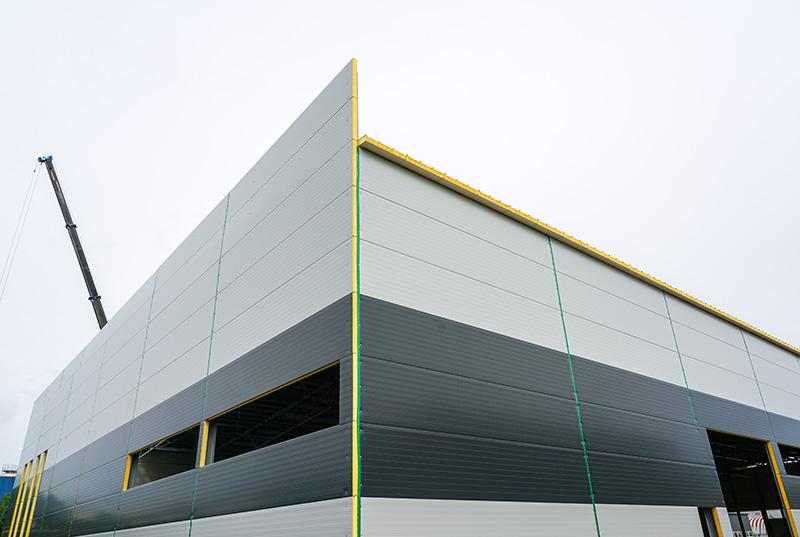
Metal and sandwich panels are cost-effective, versatile, and high-performing alternatives to traditional construction methods. The importance of lightweight and prefabricated construction, and therefore panel solutions, is growing rapidly due to the multitude of advantages they provide.
Eef, what are the advantages sandwich panels offer in prefabricated construction?
Sandwich panels offer many advantages in prefabricated construction, such as quick assembly and easy handling. Combined with optimised manufacturing processes that enable consistent quality and efficiency, there is significant potential for time and cost reduction on-site.
When installed and sealed correctly, these robust panels combine good thermal insulation, high weather and environmental resistance, acoustic performance, and — depending on panel grade and applied seals — non-combustible properties over an extended period. And if necessary, panels can be repaired or replaced relatively easily.
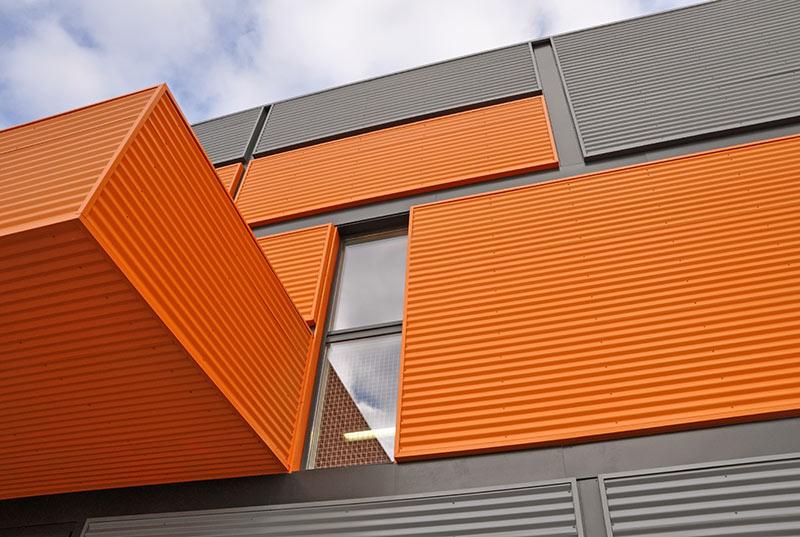
Overall, new shapes and design options, along with excellent air- and watertight sealing properties as well as strong fire resistance, make metal panels highly appealing for cost-efficient and rapid construction.
What types of panels are currently in use?
There is a wide range of construction metal panels currently in use. The main distinctions are whether they are designed for walls, roofs, or other applications, and whether they are insulated or not, as well as the type and thickness of insulation, panel shape, surface coating, and joints between panels. Each has its advantages and disadvantages and offers a variety of construction possibilities.
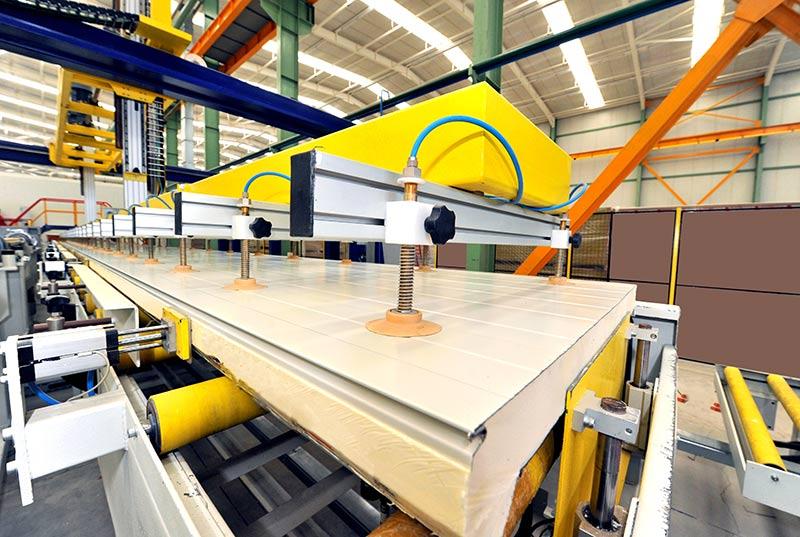
For energy-efficient panel constructions, insulated panels are ideal. By adding a core between the surface materials, the stiffness of the entire system can be dramatically increased and, at the same time, much less material is needed compared to solid structures.
In addition, these cores allow the structure to handle compression, shear or bending forces and — in terms of insulation — offer high thermal insulation performance, which is becoming increasingly important for energy-efficient buildings.
How can foam and tape materials help optimise metal panel insulation for energy-efficient prefab construction?
As the panels themselves are highly insulating, joints between other panels or structures can be weak spots and thermal bridges. This is where innovative foam and tape solutions can make the difference. As there are different materials in use, as well as shapes of joints or connections between varying materials, there is no "one solution fits all.” But there are a few advantages foams and tapes provide: Sealing, dampening and isolation.
To understand which solution is best, it is essential to identify the application and manufacturing needs. The main differentiator is whether the panels are produced in continuous or discontinuous processes. In continuous processes, all used materials are processed together and completely formed panels are cut to the desired length without stopping the line. This requires tape solutions that allow continuous length and application like Dynafoam®, PVC or Extrusions of our Norseal® Product Range that are available in long spools for inline application of the foam tapes on the panel joints. These solutions help streamline manufacturing processes for increased efficiency and production speed while providing excellent sealing performance even under harsh conditions.
Norseal BCF (Butyl Coated Foam) or FS1000 intumescent and resilient sealing foam, on the other hand, are ideal for air- and watertight sealing in discontinuous sandwich panel manufacturing due to their good conformability and material properties. What makes FS1000 unique and very interesting in construction is that, in addition to its sealing properties, it helps in fire and smoke propagation prevention by forming a fire-blocking char when exposed to flames.
All the above-mentioned solutions for continuous or discontinuous production have their strengths and weaknesses and can be customised to specific needs.
Independent of the construction method, joint or panel design, the right foam and tape materials can make a significant difference in tightness and therefore energy efficiency of the building envelope, resistance and durability of the entire system, value and quality of the building, and for saving costs during manufacturing and maintenance.
Thanks, Eef, for helping us understand how building with soft and conformable foam can open new opportunities in a market that is growing steadily. To achieve ambitious energy-efficiency goals, cost-efficiency, and durability, focusing on small components like foams and tapes can be key. If you are keen to understand which solution fits best with your challenges in sandwich panel construction, you can rely on our tape experts.