
Temperature, Chemical Resistance, and Fire Retardancy

Energy is one of the top priorities in today's world, and the demand for energy is constantly increasing. This presents new challenges for grids and energy supply infrastructure, where high temperatures, chemical resistance, and fire retardancy are becoming ever more important. Various materials and solutions are available to ensure the safety and performance of electrical applications. However, not all electrical insulation materials are created equal.
Let us take a closer look at high-temperature, chemical-resistant, and fire-retardant electrical insulation materials, as well as the benefits that specialised adhesive tapes and films can offer. This will help provide guidance on selecting the right tape solution for your application.
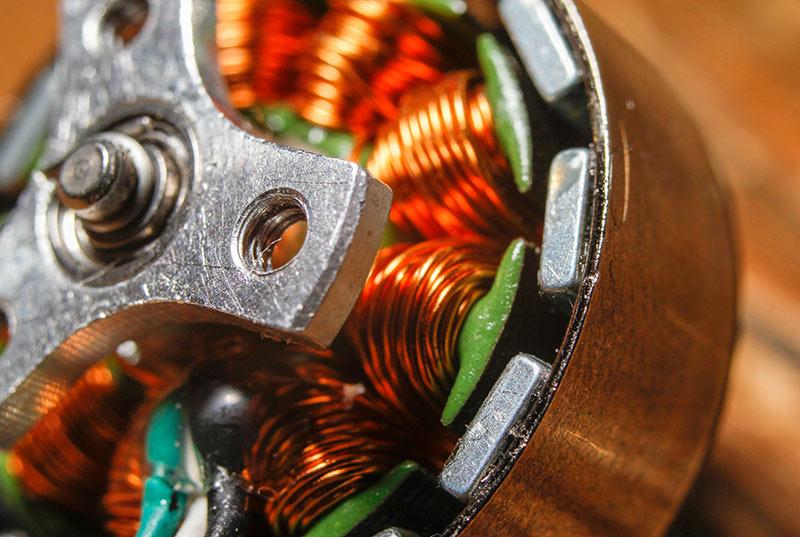
Electric mobility, fast charging, the transition to powering industries and production with electric energy are just a few examples where large amounts of energy are required in a short period. Handling high voltage and currents can place immense stress on electro-mechanical components, such as heat and elevated temperatures.
Motors, transformers, and generators, which generate high levels of heat, need materials capable of withstanding these extreme conditions. Without adequate insulation, electrical components can fail, resulting in expensive repairs and potential safety risks. This is where specialised insulation tapes with high temperature resistance can make a significant difference.
However, there are some key considerations to bear in mind when selecting materials for high-temperature applications. Due to their unique chemical structures, acrylic, rubber, and silicone adhesives exhibit distinct thermal properties. While all three adhesive types can be modified with different technologies and additives, silicone adhesives typically offer the highest temperature resistance.
As with adhesives, different backing materials such as polyimide (including Kapton®), fluoropolymers (e.g. PTFE, FEP, ETFE), aluminium foil or glass cloth have specific properties that should be taken into account when selecting the right solution for the application’s requirements. Thermal classes for adhesive tapes are a good starting point to narrow down the options, but there is more to consider. Since thermal resistance is typically not the only requirement of a tape, let us first examine chemical resistance and fire retardancy before proceeding with a general tape selection guide.
Electro-mechanical applications often involve exposure to chemicals, solvents, oils, and other fluids that can cause stress, corrosion, wear, and damage to parts and components. Therefore, tapes and films are important to protect components exposed to such substances from degradation, loss of their mechanical properties, or weakening, and to avoid potential safety hazards and costly repairs.
It is important to select electrical insulation materials that can withstand exposure to the specific chemicals and substances of the application to maintain their integrity and protect the components. Typically, acrylic and silicone adhesives combined with polyester, polyimide, or fluoropolymer backings provide the highest chemical resistance grades. Depending on the specific application needs, an ideal combination can reduce the risk of failure and significantly extend the lifespan, which can reduce downtime and improve productivity.
The combination of heat and chemical substances in electro-mechanical applications should not be underestimated, as it can result in serious consequences: fire.
Undoubtedly, fire retardancy is of utmost importance to prevent damage to electrical components and safety risks to personnel. Electrical components that are not adequately protected from fire can emit toxic gases and smoke, cause explosions, and lead to expensive repairs or replacements.

To improve fire retardancy in electro-mechanical applications, it is crucial to select electrical insulation materials that can prevent or delay the spread of fire, such as specialised tapes that add an additional layer of protection. These tapes are typically made with materials that can withstand high temperatures and prevent the spread of flames. Common backing materials for fire-retardant tapes include polyimide, glass cloth, and ceramic fibre, while silicone rubber is a common adhesive material.
Additionally, tapes can be used to cover and insulate electrical components, preventing the spread of fire and protecting them from heat damage.
With so many options for adhesives and backings, it is not easy to identify the right solution for the specific applications. The following overview is intended to serve as an aid and at least provide initial clues to quickly find potential solutions.
The decisive factor in the search for the right adhesive tape is always the specific requirements of the respective application. It determines which minimum requirements must be met, but also which solutions may be unnecessarily overengineered.
For high-end applications with demanding or even extreme temperature environments, silicone adhesives combined with polyimide backing materials are the preferred choice. Silicone adhesives surpass others in withstanding high temperatures without losing their adhesive properties. As backings, polyimides can endure higher temperatures of up to 400–500°C while still maintaining their dimensional stability and mechanical properties. This adhesive and backing combination provides the highest level of fire protection performance. Polyimides also possess excellent electrical insulation properties and are highly resistant to chemicals and radiation, making them suitable for use in harsh environments.
Fluoropolymers, on the other hand, can be the ideal choice where slightly lower temperature resistance is acceptable. Their excellent non-stick properties, superb resistance to chemicals, and strong dielectric properties make them the preferred choice for applications requiring strong chemical resistance or low friction.
It’s no surprise that the highest-performing combination of polyimides or fluoropolymers with silicone adhesives is also at the top of the price range. Acrylic adhesives combined with polyester backings perform well across a broad temperature range, provide reliable chemical resistance, and offer a good cost-performance ratio.
For medium heat and fire resistance requirements, glass cloth tapes with rubber adhesives might be the ideal choice due to their favourable material properties.
Although we now have an overview that allows for an initial preference, it is essential to discuss the precise application requirements with your tape expert to identify the solution that suits best. Our experts not only know the existing portfolio, which consists of a multitude of options, inside out, but they also know how to tailor a tape to your specific requirements if necessary. Unleash the full potential of your application with your tape experts to electrify the world.