
Lightweight Construction Solutions: Foam and Tape Effect

The quest for lightweighting in construction is driving modern-day innovation. It is reshaping how buildings are designed, constructed and inhabited. Simultaneously, this shift towards lightweight construction is essential to the ongoing quest for industry decarbonisation.
Foam and tape materials play a central role in providing versatile solutions for achieving lightweight construction, without sacrificing performance or durability.
Our wide portfolio of trusted products not only aids in lightweight construction but can help attain energy efficiency goals, protect against environmental impacts and enhance the comfort and safety within buildings.
Let’s explore 3 examples.
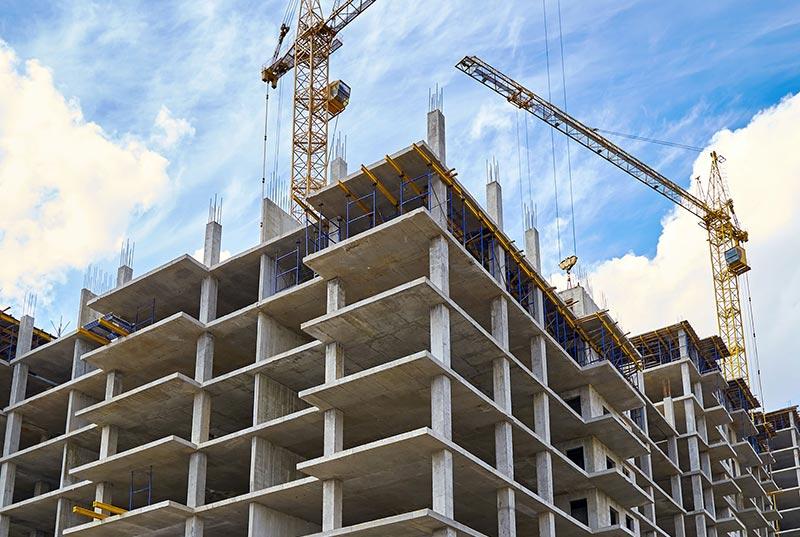
Norbond® Bonding Tapes can replace heavy mechanical fasteners in flashing around windows, doors and roofing, which not only reduces weight but also enhances flexibility of building design.
They are often used in lightweight façade construction to hold panels in place, secure attachments, and bond stiffener bars to cladding. These tapes are renowned for their excellent resistance to environmental conditions, making them an ideal choice for both interior and exterior bonding applications.
Some examples of our more sustainable bonding tape materials for these types of applications include our UV-cured acrylics. These tapes can also be supplied in spool format for robotic use/application.
"33% of the building and construction market prefers to replace liquid adhesives with pressure-sensitive adhesive (PSA) tapes. They prefer PSA tapes over liquids due to the shorter curing times, the improved quality of sealing and bonding, and the ease of application, which reduces labour costs.” — Richard Austin, Global Marketing Manager, Construction
Foam materials such as our Norseal® Bio-based PUR Foam offer a range of solutions for lightweight construction. They can be used as interface materials between construction elements due to their superior sealing performance when compressed. These sealing capabilities help protect the building from air, moisture, and other environmental factors. This also enhances the building's durability and promotes better energy efficiency.
Products such as our phthalate-free Norseal PVC Products set the standard for providing superior sealing performance and protecting building occupants as well as overall air quality.
Tapes such as our AGP 200, a bio-based polyol that is renewably sourced, can be used in applications such as waterproofing membranes, sealing and filling gaps in flat roofs, windows, doors, or other applications directly exposed to environmental stressors. The effective water sealing capability helps protect the durability and longevity of buildings. Additionally, compared to alternatives like EPDM, 40% less material needs to be used to provide the same sealing capability. Some EPDM requires 60% compression to achieve a seal, while AGP200 only requires 30% compression to seal. As a result of this compression ratio, 2.5 mm of EPDM foam would be needed, while only 1.4 mm of AGP200 would be required, resulting in a material saving of 44%.
Ease of transport and accessibility of lightweight materials is increasingly important, especially as lightweight construction trends expand to more remote locations. A member of the Norseal Product Range, Dynafoam® is a mono-component foam in place gasketing and cushioning material. It is often a go-to in prefabricated construction applications because of its lightweight nature, ease of transport and ability to optimise and streamline accuracy, speed, use of material and waste in prefabrication processes. Dynafoam offers new possibilities in lightweight construction because it cures by reacting with moisture in the air and creates low-density thermoset, elastomeric, foamed gaskets.
In the evolving construction landscape, lightweighting is undoubtedly emerging as a driving force for innovation. Foam and tape materials work behind the scenes to provide versatility, efficiency, protection and resilience. They are lightweight solutions that not only protect the buildings and their components from external environmental factors, but also aid in streamlining processes, efficiencies and flexibility of modern architectural design.
The role of foam and tape materials will become increasingly important in paving the way for more energy-efficient, lightweight construction and enhancing building safety and overall air quality.