
How to Ensure Reliable EMI/RFI Shielding with Tapes

A world without electricity is hard to imagine today. Whether we are looking at digitalisation, electrification of mobility or almost every part of our daily life, the importance of electricity is rapidly growing. Also growing is the need to protect the environment from the effects of electrical energy and the problems created by electrical interference.
EMI (Electromagnetic Interference) and RFI (Radio Frequency Interference) are high-frequency signals that interfere with electronic devices, causing performance problems or complete device failure. EMI and RFI shielding are important for engineers in the electro-mechanical and electronics industry because they protect electronic components from external interference.
In this blog, we will look at the role tapes play in helping with proper EMI and RFI shielding. This can be crucial for ensuring the reliable performance and safety of electronic products.
Without proper shielding, EMI and RFI can cause sensitive components to fail or malfunction. This can lead to significant consequences, including costly product recalls, irreparable damage to equipment, or even life-threatening situations in critical applications such as medical devices, aerospace, or defence applications.
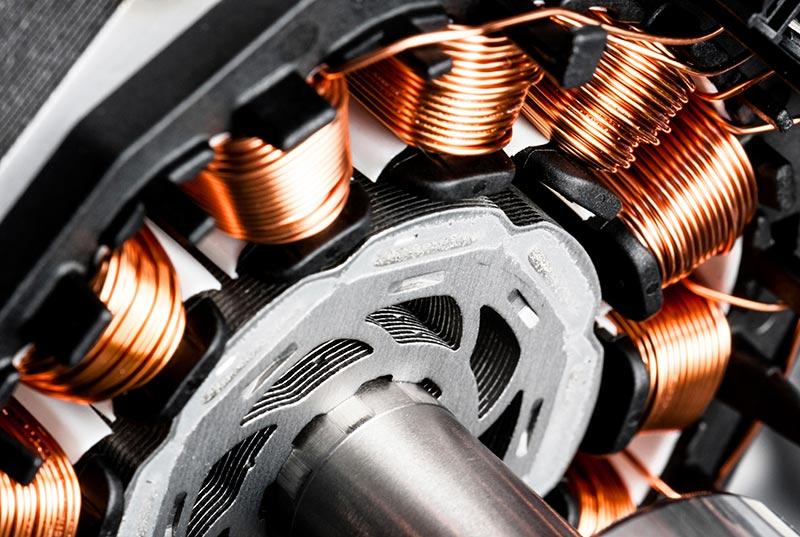
In electro-mechanical applications such as motors, transformers, generators, or other high-voltage applications, EMI/RFI shielding is critical because they often generate strong electromagnetic fields that can interfere with other components. For example, a motor may generate electromagnetic fields that can interfere with nearby sensors or communication circuits, which can cause the system to fail or function improperly.
This can also be an issue in other high-voltage applications like EV charging stations. To minimise the charging time of EV batteries, high voltage and electrical current are essential. Such high-power applications generate electromagnetic fields that can interfere with other electronic devices in the area and other critical electronic components. Therefore, they can become a problem in many ways, such as with digital applications like smart charging, internet of things, etc.
To ensure lasting functionality, shielding materials need to be designed not to corrode or degrade over time. For reliable operation, their size and weight should be minimised as much as possible, while still providing effective protection.
EMI/RFI shielding tapes can help address a variety of challenges in electromechanical applications. They can help prevent system failures, reduce maintenance costs, and improve overall system performance.
These specialised tapes are flexible and made from a range of materials, including copper, aluminium, or nickel, which enable them to be compatible with a wide range of surfaces and materials in electromechanical applications.
They are easy to use and can be applied to surfaces without specialised tools, making them a cost-effective solution compared to other EMI/RFI shielding methods. This results in reduced material and labour costs compared to other shielding methods.
Available in several types, each with distinctive characteristics to match the frequency range of the application, shielding tapes can enhance electromechanical performance by eliminating electrical noise and interference.
EMI/RFI tapes also offer the added benefit of reliable corrosion protection, a factor of particular importance in harsh and corrosive environments such as those found in outdoor applications like EV charging stations, electrical grid components or energy production.
With the increased use of sensitive components such as sensors, semiconductors, or circuit boards in aerospace or automotive applications, EMI/RFI shielding tapes are essential to reduce interference and ensure proper functioning. Electronic controls in electric vehicles, for instance, use many high-speed circuits throughout the charging, battery management, and motor control systems, and these need to be reliably shielded.
Overall, EMI/RFI shielding tapes have much to offer in addressing various challenges of electromechanical applications. They provide effective and cost-efficient solutions that enhance reliability, performance, and safety in blocking or absorbing electromagnetic radiation.
The increasing use of electrical applications, often combined with sensitive electronic components in demanding industries such as automotive, EV, and aerospace, highlights a significant need for EMI/RFI shielding solutions.
Special tapes can be the preferred choice for offering durable and long-lasting protection capable of withstanding extreme temperatures, moisture, and other harsh environments for years, leading to reduced maintenance and lower repair costs.