
How Cold Weather Tapes Revolutionise Flat Roof Sealing

Flat roofs have been a popular choice for commercial and industrial buildings for decades due to their cost-effectiveness and ease of installation. They are also becoming an increasingly popular solution for modern residential buildings and homes due to their aesthetic appeal. The performance and lifespan of the flat roof strongly depend on the quality of the materials used and their proper installation. The latter can often be a challenge due to inadequate sealing. Recent technologies in flat roofing have emerged to overcome issues with traditional installation methods, allowing for better efficiency, longevity and reliable protection.
Aim high and explore how innovative cold weather membrane tapes can turn flat roofs into the absolute best.
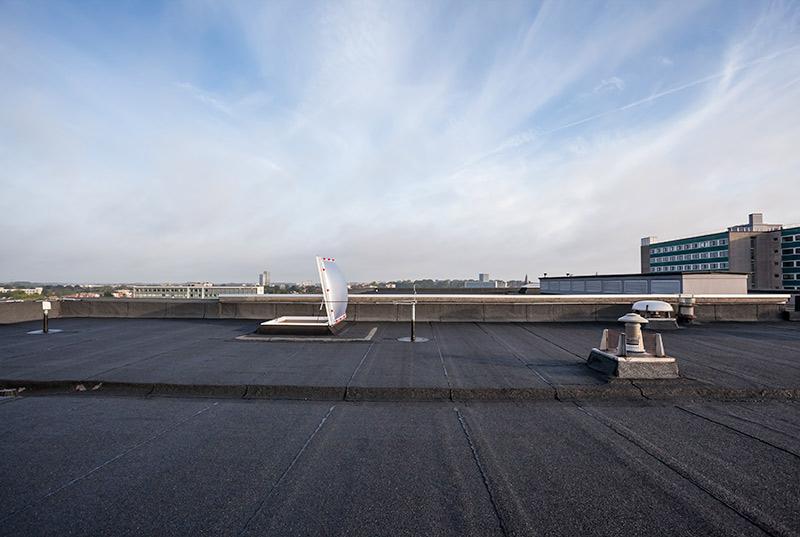
Due to its exposure, the roof is considered a potential weak point of the building envelope. To avoid short- and long-term risks, its construction must provide reliable protection against harsh weather conditions such as heavy rain, extreme temperatures, and strong winds. Today, there are various advanced waterproofing membranes available on the market, offering excellent durability and weather resistance. However, their full potential can only be realised with proper sealing to prevent potential membrane seam lifting and moisture ingress, which could lead to roof damage and increased maintenance costs.
This can be challenging as traditional flat roof installation is labour-intensive and usually requires mechanical fasteners, torches, or heat guns. In addition to a more time-consuming installation, the use of heat can pose safety risks for the workers, such as exposure to high temperatures, flames, and fumes.
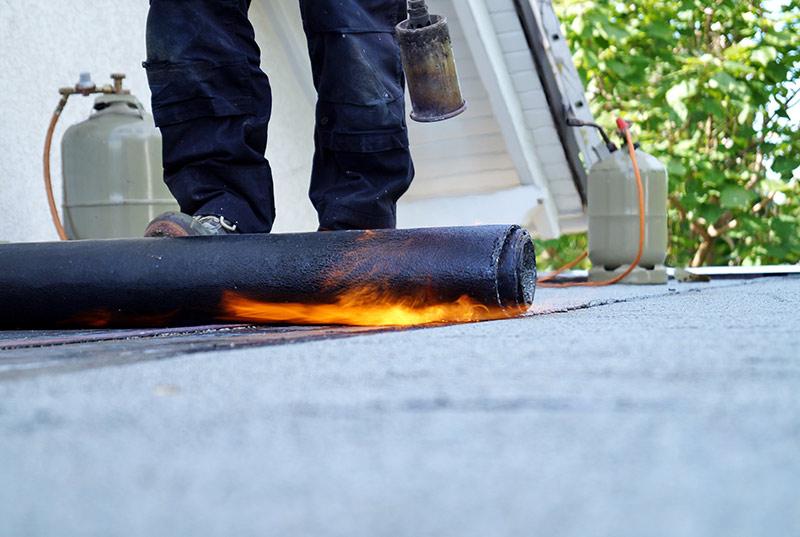
To address these challenges, high-performing pressure-sensitive adhesive (PSA) tapes can be utilised to install self-adhered membranes on flat roofs without the need for mechanical fasteners or heat, creating a triple-win situation for construction companies, workers, and building owners alike. Let us take a closer look.
New types of adhesive tapes for flat roof installation can help ensure reliable functionality and provide added value in areas such as easier installation of roofing membranes. The advantages of innovative flat roof installation tapes include:
- Quick and easy installation: The fast and clean application with PSA tapes minimises installation time, saves labour and equipment costs, and reduces overall construction time.
- Reliable sealing performance: Combined with excellent ageing and weather-resistant functionality, even under harsh conditions and over longer periods, PSA tapes provide durable waterproof and airtight sealing. This helps minimise the risk of cracks in the insulation and therefore potential weak spots for water infiltration and energy losses.
- Minimised Risks: No high temperatures, flames, fumes or handling gas cylinders during installation means less risk for workers and less harm to the environment.
However, workers usually face difficulties using PSA tapes in winter, as most of the adhesives become brittle at temperatures approaching 0°C. This limits construction activities during the cold season. Another main challenge of fully adhered systems is the versatility of construction materials used for roofing, where it can be challenging to achieve adhesion on non-polar, difficult-to-bond membrane surfaces with PSA tapes.
The good news is that specially designed adhesive tapes can overcome these two major challenges. Let us find out how in the following section!
Based on innovative solvent-free UV curing adhesive technology, Saint-Gobain® Tape Solutions engineers have developed the special RW20 pure acrylic adhesive, which combines advantageous features for demanding flat roofing applications, such as excellent ageing, moisture and environmental resistance, performance at temperatures below 0°C, as well as excellent adhesion to flat or rough low surface energy (LSE) substrates. This makes it an ideal choice for self-adhered membrane installation, even during cold seasons.
Biolink® non-permeable cold weather membrane sealing tape netlink 5072 can be used to seal mechanically attached membranes or as auxiliary tape in fully adhered systems to seal critical seams.
The RW20 adhesive is an excellent choice for lamination of customer membranes, offering secure adhesion to a wide range of membrane materials and underlying roof construction.
— J. Vuksanovic, Product Manager at Saint-Gobain Tape Solutions
Another benefit of the UV curing technology behind RW20 is that no solvents, water, or high temperatures are used during the coating process.
We have seen that innovative adhesive tapes can offer significant advantages in flat roof installation and for durable environmental protection. The choice of the right membrane and installation method can make the difference in industrial, commercial or residential flat roof functionality. Speak to your tape experts to see which one will raise your roof to the top.