
How to Choose the Ideal Electrical Insulation Tape

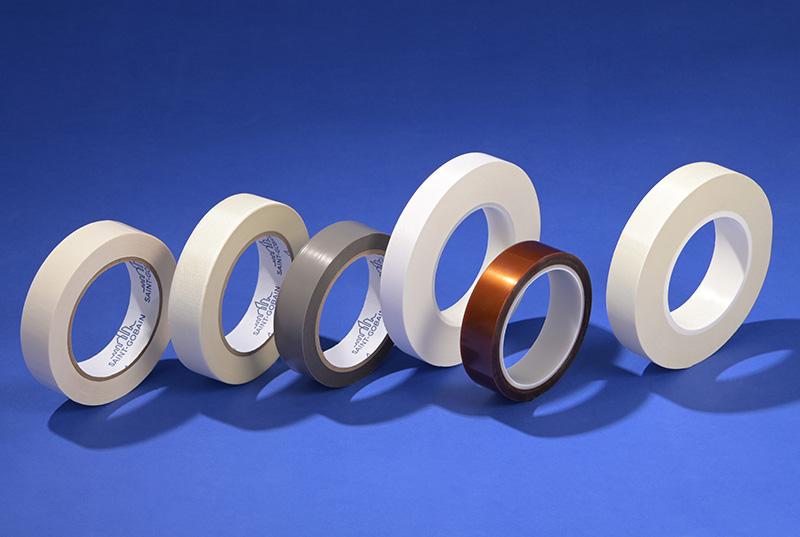
Electrical insulation tapes can help to protect motors, generators and transformers from electrical, mechanical and chemical stresses, thereby reducing maintenance efforts, increasing reliability and extending the lifespan of equipment. However, at times it can feel like standing in front of a massive supermarket shelf full of products, unsure which one is the best choice.
Identifying the right solution in a maze of options can be time-consuming and requires specific expertise. This post provides an overview of the right combination of different tape constructions, backing types, adhesives and other parameters for various application needs.
Enjoy this simplified summary of a more complex topic, which will hopefully assist you in making the right choice to suit your preferences.
In this article
- The Importance of Specifications and UL Listing
- Single-sided, Double-sided or Reinforced?
- The Right Backing Material Makes the Difference
- PEN, Polyimide and PET Film Insulation Tapes
- Nomex® and Aramid Paper Tapes
- Foil Tapes
- Acrylic, Rubber or Silicone — Stick to the Right Adhesive
- Further Resources to Discover Your Electrical Insulation Tape Solution
Roughly comparable to a seal of approval on packaging in a shopping trolley, specifications play a key role in the electro-mechanical and other specification-driven markets. They help engineers and users quickly identify products that meet defined criteria based on standards such as technical or safety requirements, saving time and ensuring reliable performance.
In the electro-mechanical market, UL (Underwriters Laboratories) is the leading safety certification and can be divided into UL listed and UL recognised. While UL listed refers to the entire standalone item, UL recognised is used for components of products, not the finished product itself.
Whether you work on new application solutions or are replacing currently used materials, relying on specified tapes is a smart and safe choice.
Single-sided tapes, where the reverse side is adhesive-free, are typically used to enhance part protection in electro-mechanical applications. They enable higher current, greater energy density, or the use of specialised oils and varnishes. Furthermore, they minimise wear and tear, provide puncture resistance, and reduce maintenance requirements, thereby extending the lifespan of components.
Double-sided tapes are utilised to bond or attach components to various surfaces. Transfer tapes consist solely of an adhesive layer (unsupported), whereas many double-sided tapes include a carrier between the adhesive layers, which can offer additional functionalities such as increased strength, dampening, sealing, fire protection, or flexibility.
Reinforced tapes are primarily designed with specialised net constructions, glass cloth, or glass filaments to combine high tensile strength with excellent adhesion, high temperature resistance, and good flexibility. These tapes are ideal for the insulation and outer wrapping of electric motors and dry or oil-filled transformers.
Finding the right backing material from a multitude of options can be challenging. The most expensive and highest-performing ones might not be the best choice for all applications. To avoid incorrect choices, underperforming or overperforming tapes, it is essential to understand the exact application requirements.
Film Insulation Tapes offer good adhesion to various substrates, excellent conformability, thermal resistance, and insulation of electronic components. They are ideal for wrapping and interlayer insulation of coils for electric motors and transformers or masking applications.
PET Film Insulation Tapes are a cost-effective solution, whereas tapes based on PEN and Polyimide provide enhanced thermal and dielectric resistance for non-stick applications. Non-woven Polyester Film Laminates offer excellent puncture resistance for coil and bobbin wrapping.
Tapes designed with Nomex® aramid paper combine high temperature resistance with excellent impregnation properties for insulation of e-motors, generators and transformers.
The natural conductivity, flexibility and malleability of foil tapes provide superior electromagnetic and radio frequency absorption and isolation as well as oxidation and corrosion resistance and are frequently used for EMI/RFI shielding, static charge draining and grounding by the printed circuit industry or in end connectors, shielded cabinets and devices.
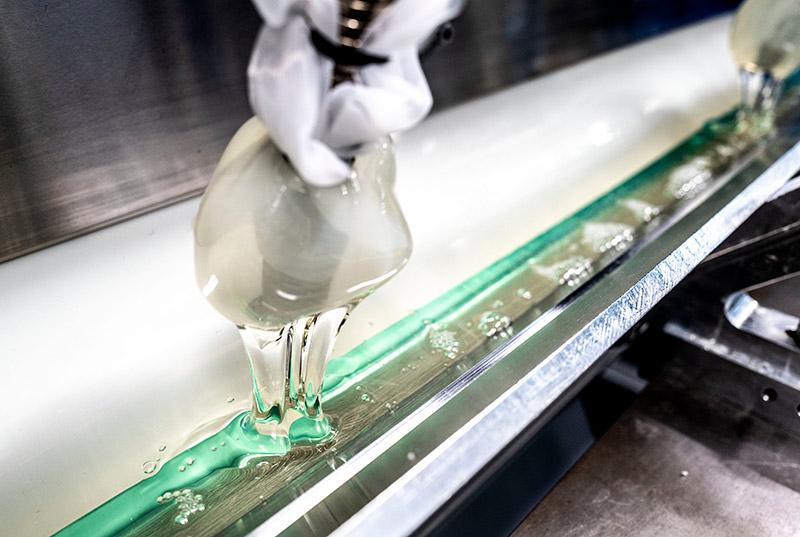
Adhesives based on acrylics, rubber or silicone are most common with pressure-sensitive adhesive tapes (PSA). Each adhesive type has specific characteristics, benefits and limitations that need to be considered. Acrylics provide good adhesion to polar surfaces such as metals, glass or polyesters and more. They offer good chemical, solvent and weathering resistance. Acrylic adhesives are an economical, high-performance solution but are limited in very high-temperature applications.
Rubber-based adhesives offer excellent initial tack and strong adhesion to a wide range of surfaces. Due to their vulnerability to UV light and lower maximum temperature resistance, they are mainly used in indoor applications with stable temperatures. They provide good moisture resistance and can easily be designed to be removable, repositionable or permanent.
Pressure-sensitive silicone adhesives are the ideal choice when high-temperature resistance is required. Silicone PSAs offer exceptional bonding strength, flexibility at lower temperatures, and resistance to UV and solvents. The costs for silicone adhesives are usually higher, but they provide the highest temperature resistance compared to acrylic- or rubber-based PSAs.
With your application and the electrical, mechanical and chemical stresses in mind, leverage our product selector to narrow down the options. Or delve deeper into characteristics, benefits and limitations of acrylic-, rubber- and silicone-based adhesives, the world of electrical insulating tapes and the tests they undergo for oil-filled transformers. Hopefully, this information will help you put together just the right ingredients for your preferred solution.