
Flame-retardant or Fire-resistant Tapes

Protecting people and components from fire and smoke is crucial in many automotive, aerospace, building and construction, marine or transport applications, and there are special solutions available. However, it can be complex to differentiate between products that are fire-retardant, fire-resistant, flame-retardant or flame-resistant!
These terms are commonly referred to as “FR”, and although often thought of as synonyms, it’s important to understand the difference — especially when selecting fire protective materials or meeting specific regulations. To avoid getting your fingers burnt by selecting the wrong materials, find out more about the main differences between flame-retardance and fire-resistance, and which one suits your needs best.
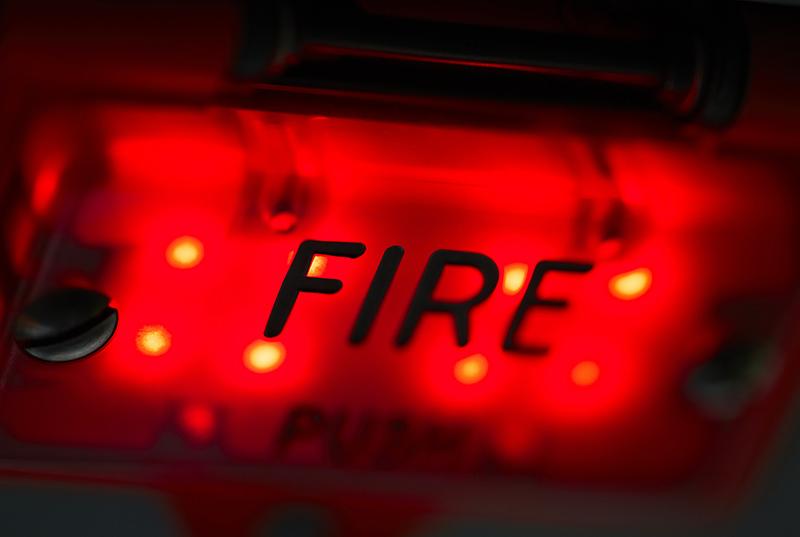
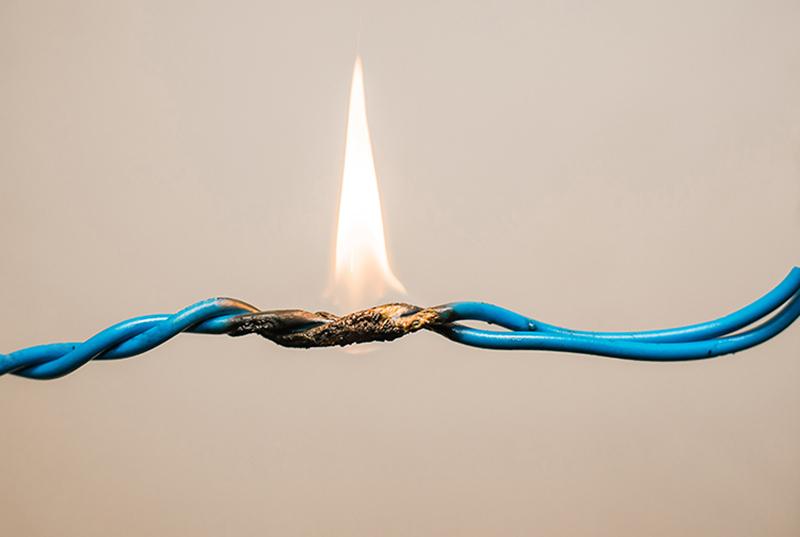
Every child knows what fire is. It is hot, bright, can be good for cooking but also bad if we burn ourselves on it. But what exactly is it, and what is the difference between fire and flame?
Fire is defined as a rapid, persistent chemical change that releases heat and light, while a flame is the hot zone of burning gases and fine suspended matter associated with rapid combustion. Both are safety considerations within a given application, but the degree to which they matter depends on environmental, consumer, and market factors.
As it is important to protect against fire and flames, these terms will be used interchangeably in the following, where we will solely focus on the differences between Resistance and Retardance.
The highest priority in fire safety is ensuring that a fire cannot occur in the first place. Therefore, flame-retardant materials, such as our complete range of UL510-rated tapes, are designed to prevent ignition. Special ingredients combined with highly resistant substances enable these materials to withstand high temperatures without catching fire.
However, when overheated, they may still begin to burn. Even if they do catch fire, flame-retardant materials are designed to slow down the rate at which flames spread and can even allow small fires to self-extinguish.
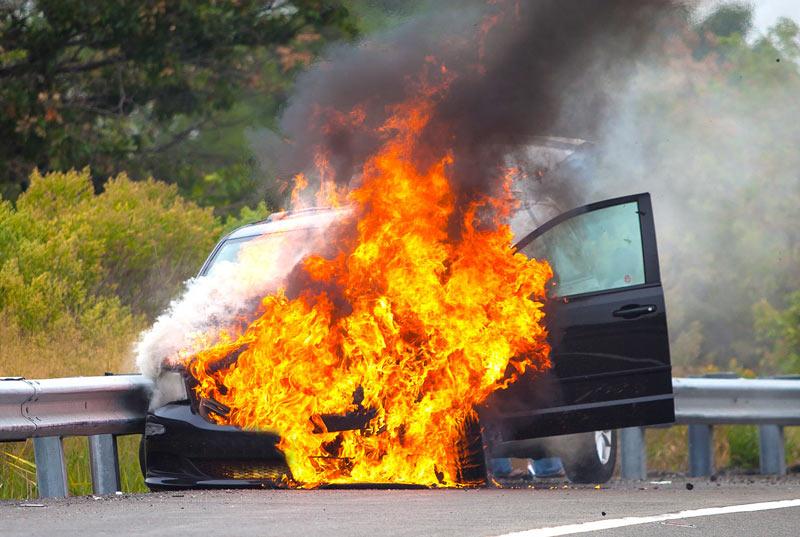
Advanced flame-retardant solutions such as tapes designed for demanding aerospace or automotive applications provide low outgassing with low toxicity, resulting in cleaner white smoke when ignited to offer even better protection for people.
Time is of the essence to evacuate in the event of a fire or to take action to extinguish it. To prevent fire from spreading or to extend the time before it can break through, fire-resistant materials, such as our Norseal® FS1000 intumescent, airtight, watertight and resilient sealing foams and tapes, work by creating a barrier against fire.
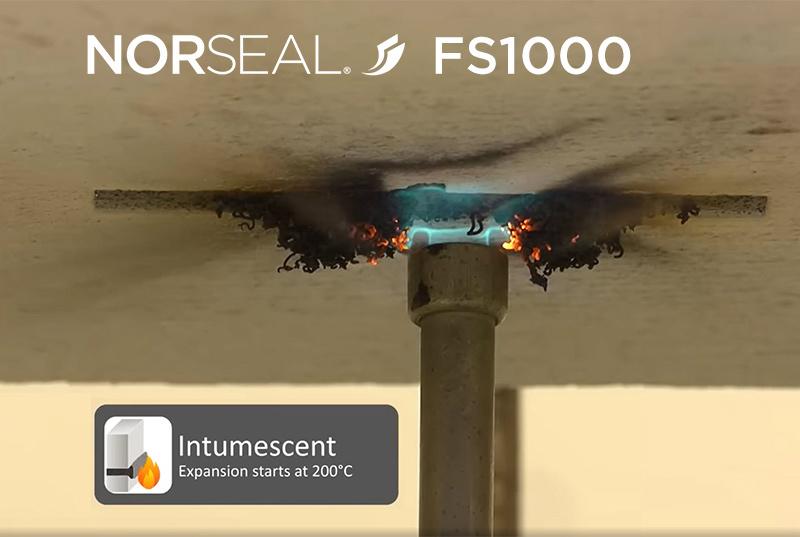
When exposed to fire, special ingredients and designs form a protective char layer. This barrier safeguards against heat, flame and smoke, and increases the time before a fire can penetrate through. This char layer functions differently depending on its material and the environment, but in general, fire-resistant materials are excellent for preventing structures or components from collapsing.
The time limit given to fire-resistant materials — such as 30-, 60-, or 90-minute resistance — does not define the length of time they resist fire, but rather how long it takes for the material to fail and allow fire to pass through the barrier.
Flame-retardant solutions reduce the likelihood of ignition, slow down the rate at which a fire can spread if it catches alight, and are therefore the preferred choice for preventing fires from starting.
If you are seeking an insulating barrier against fire and smoke that protects various structures and components to maintain their integrity for longer, fire-resistant materials are the ideal option. A combination of flame-retardant and fire-resistant materials can provide optimal protection, particularly in critical applications.