
Boost 800V EV Applications with Kapton® and Nomex® Tapes

As the automotive industry continues to shift towards electric vehicles (EVs), high-performance electric motors are receiving increasing attention. New developments aim to combine greater power and performance with reduced space, weight, and reliance on rare materials. These advancements require specialised materials and solutions to protect components from the growing stresses within the electric motor and to enhance its durability and lifespan.
Special adhesive tapes made with Kapton and Nomex materials have proven to be essential for 800V electric vehicle applications.
In this blog post, Mattia Villella, Products and Portfolio Manager, EMEA at Saint-Gobain® Tape Solutions, will help us understand the benefits of tapes created with Kapton and Nomex materials and how they can help improve the performance and durability of electric motors in EVs.
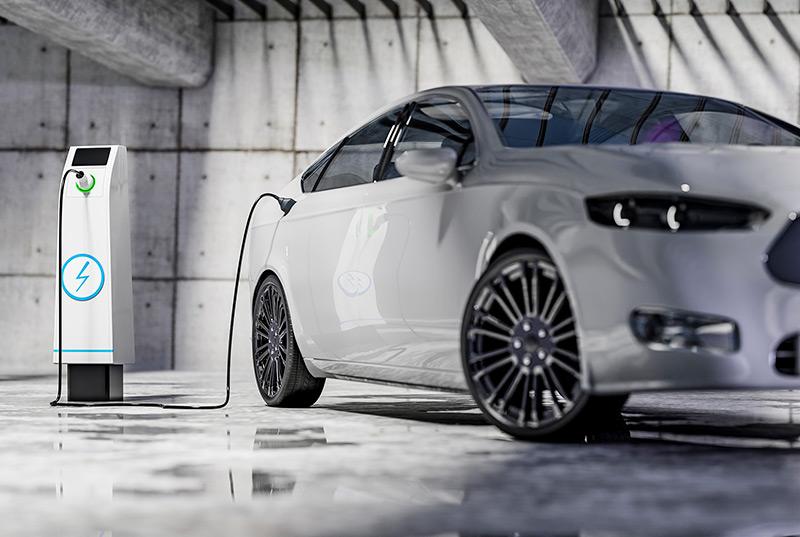
EV drivers expect better performance, long range, and rapid charging. This drives OEMs and component manufacturers to achieve new performance standards.
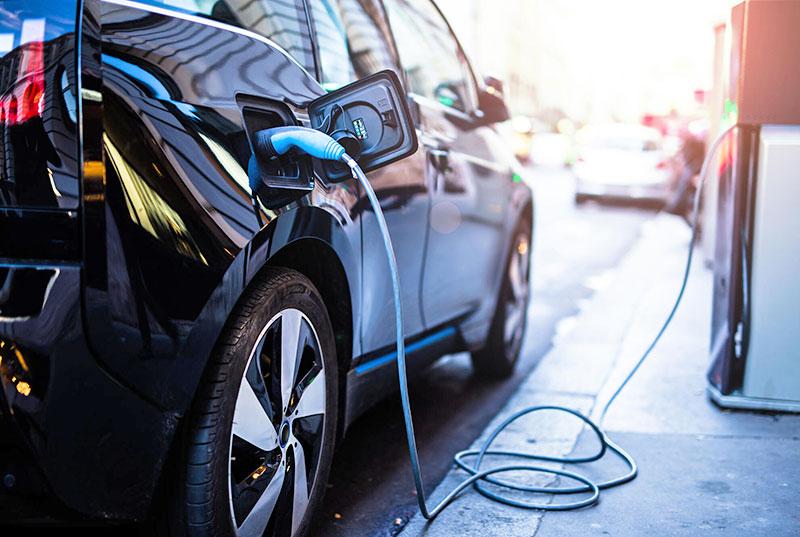
One way to achieve better performance levels is by increasing the battery voltage from commonly used 400-volt systems to 800-volt architectures. Let’s take a closer look at why.
Mattia, why is 800V currently trending in EV motor applications?
Higher battery voltage can improve efficiency, performance, and reduce weight for EV components such as motors and inverters. Additionally, higher battery voltage enables faster charging and lower energy consumption for vehicles.
For instance, by doubling the voltage from 400 to 800 at an equal current, the amount of energy per unit of time to charge a battery can be significantly increased.
Higher voltage also helps to reduce heating issues and power losses while simultaneously extending the lifetime of the battery pack, making the entire system more efficient.
However, high battery voltages ranging from 600 to 900 volts, commonly referred to as 800V architecture, present new challenges for other components, as the architecture of an EV is a complex system.
To address the new demands of high voltage battery design, other components in electric vehicles (EVs) need to be adapted and protected with strong insulation. This is where adhesive tapes made with special backings such as Kapton and Nomex come into play.
Mattia, what are Kapton and Nomex tapes, and why are they beneficial for high voltage EV design?
Kapton tapes are made of a polyimide film that provides high-temperature stability and high dielectric strength, making it an excellent insulator for various components and EV applications. It is also resistant to chemicals and radiation and has strong mechanical resistance. Kapton can also be laminated to other technical substrates and coated with different adhesives to ensure optimal performance and ease of use in various scenarios.
Tapes made with Nomex materials also provide high-temperature resistance due to the aramid fibres used. These also offer good resistance to abrasion, tearing, and punctures, making them a suitable choice for high-stress environments. Acting as an excellent insulator with high temperature resistance, Nomex tapes are used in a wide range of applications in the electro-mechanical industry and electric motor applications.
How are Kapton and Nomex tapes used in electric vehicles, specifically 800V applications?
Kapton and Nomex tapes are used in various applications in electric vehicles, including battery packs, electric motors, and power electronics. They are used to insulate wires and components, protect them from high temperatures and abrasion, and prevent electrical discharge.
In EVs with 800V designs, where maximum electric power is utilised, excellent electrical insulation, high temperature resistance, and the ability to withstand mechanical stresses are required. Kapton and Nomex tapes are used to insulate high-voltage components such as battery packs and inverters, reducing the risk of electrical arcing and short circuits.
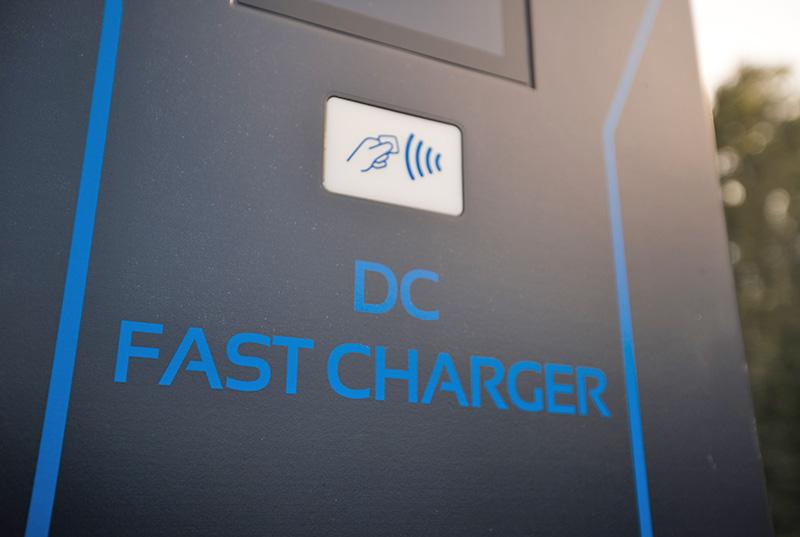
These robust properties are also essential for 800V design applications outside the vehicle itself: in fast and ultra-fast EV charging stations. To maximise the charging speed of high-voltage battery packs, high voltage is required. Therefore, Kapton and Nomex materials help to protect and insulate components in charging equipment, preventing arcing and short circuits.
With the trend to increase the power of electric vehicles, and even more so in heavy-duty EV applications such as buses, lorries, agriculture, and specialist vehicles where power exceeding 800V is being designed, the need for specialised tapes and materials to protect components from immense stresses is growing. However, as finding the right tape solutions for specific applications and requirements can be challenging, your tape expert can guide you through the process in solving the toughest challenges and keeping your EV projects moving forward.
Kapton and Nomex are registered trademarks owned by Dupont.