
Benefit from Non-PTFE and PFAS-free* Tapes in Heat Sealing

Heat sealing is a crucial process in several industrial sectors, especially in food and pharmaceutical packaging applications. It involves sealing one thermoplastic to another similar thermoplastic using heat and pressure. Adhesive tapes play a vital role in creating non-stick surfaces between the tool and the melted thermoplastic material, and the demanding process makes it necessary for the adhesive tapes to withstand heat, pressure, and abrasion.
PTFE (polytetrafluoroethylene) adhesive tapes are typically the go-to solutions for such requirements because of their special properties. However, with growing concerns around these materials, it's time to explore alternatives that do not contain any PTFE- or PFAS (per- and polyfluoroalkyl substances).
In this blog post, we will discuss the benefits of making the switch to these alternatives and why technical engineers are increasingly interested in the latest developments in heat sealing tapes.
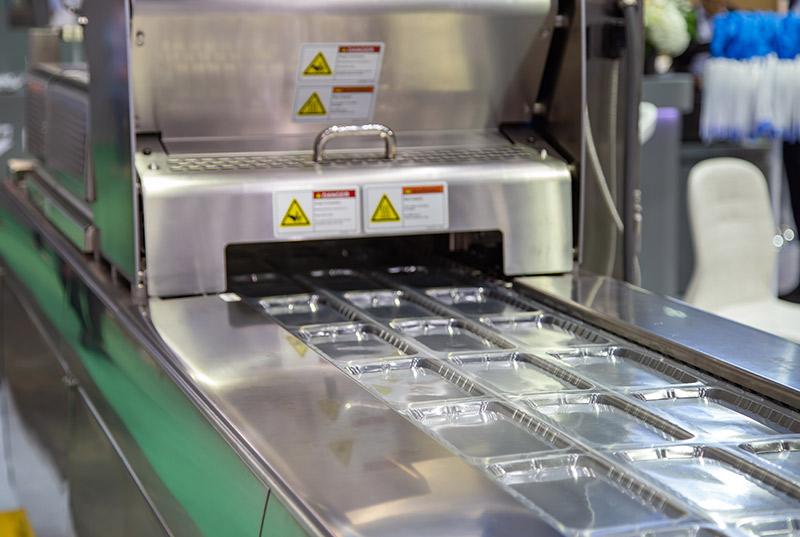
Adhesive tapes offer the flexibility to perform in a variety of heat seal packaging processes involving impulse heat sealers and hot bar sealers. They are used in high temperature environments to protect the platen from molten plastic and damage and help create a non-stick, abrasion-resistant surface so that the bars can pull away from the melted area, leaving a melted seal behind.
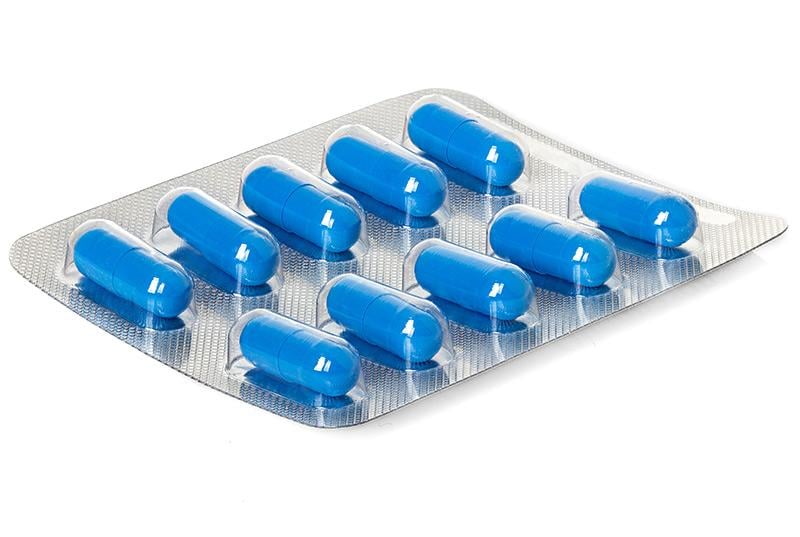
As added value for manufacturers, optimized tapes with optimal characteristics for heat sealing can lead to increased productivity and profitability by creating manufacturing efficiencies. These efficiencies may include longer production operating times between tape maintenance and repair intervals, faster heat sealing capability and throughput, higher-quality seals, and lower down time and operating costs.
Due to the application's nature, PTFE-based tapes have been used for heat sealing for over fifty years. So, why are customers looking for non-fluoropolymer tape solutions?
Even though PTFE tapes have proven to work for decades, there are several good reasons for switching to non-fluoropolymer tape alternatives. The most important are environmental concerns, regulations, and safety.
PTFE and other PFAS materials have recently been highlighted for potentially having environmental impacts. Where possible, using an alternative to PFAS materials can be beneficial to the environment. Also, new regulations require the documentation of any PTFE and PFAS products. There is also a possibility of future regulations of PTFE products that could negatively impact supply chains.
While PTFE tapes are generally safe to use when handled properly, they could release toxic fumes when overheated or burned.
As a result, there is growing demand to find non-fluoropolymer tape alternatives that comply with regulatory requirements and create a safer work environment. The good news is new non-fluoropolymer tape alternatives are already in development. Let us find out more about these hot solutions.
The goal with our innovative PTFE-free* adhesive tapes heat sealing tape alternatives is to combine excellent performance with eliminating risks associated with PFAS products. Some time ago, PTFE coatings used for cooking pans have also been replaced by non-fluoropolymer materials. For the same reasons, manufacturers prefer a non-fluoropolymer, non-PTFE heat seal tape alternatives for their heat sealing processes.
But how can this be achieved?
One of the most logical alternatives to PTFE is silicone, and the Saint-Gobain® Tape Solutions portfolio has many silicone options including reinforced silicone rubber, silicone coated fabrics, and solid silicone products- all of which could be used for heat sealing.
Both silicone and PTFE are rated for 500°F (260°C) temperature, but PTFE does outperform silicone between 500°F and 600°F for short-term exposure. Also, PTFE has a much lower coefficient of friction compared with silicone which, even though it is a very good non-stick surface, is softer and tends to grab more in a sliding application. To make silicone equivalent to PTFE, we must add high temperature fillers that act as a lubricant.
While PTFE tapes can be used at 600°F for short term exposure, most packaging films melt at 275°F (HDPE) or 320°F (Polypropylene) or [212°F to 500°F] (PVC).
Which leads to a fundamental question: Do you really need a 600°F heat seal tape to work in this application? If not, our tape experts are working in close collaboration with customers and application engineers to create suitable non-PTFE adhesive tape solutions. With unique research and development capabilities in house and many years of expertise, PFAS-free* adhesive tape solutions are within reach for many heat sealing applications.
There are concerns about PFAS materials in many industries and industrial applications that drive the switch to alternative solutions. As special tapes provide significant advantages, a new generation of non-PTFE heat sealing tape alternatives are under development to provide comparable performance with PFAS-free* materials. As there are key differences in heat sealing applications, contact your tape experts today to start a collaboration with us as your proven co-development partner to identify your needs and create new solutions that could sustainably change your manufacturing future.