
3 Key Applications of Adhesive Tapes in Biomass Power Systems

4% and more. This is the current annual increase in global energy demand. According to the IEA (International Energy Agency), the world’s demand for electricity is rising at its fastest rate in years. And there is no sign of a slowdown if we look at the ongoing push for worldwide economic growth and wealth, digitalization, the mobility sector switching towards electric transportation, growing numbers of heat pumps and needs for climatization against heatwaves.
While power generation from coal remains strong, the benefits of renewable energy production extend beyond just sustainability. Among these resources, biomass systems or bioenergy plays an important role in the mix of solar, wind and hydroelectric sources.
Let us take a deeper look into what bioenergy is, why it is important, and which role it plays in the energy mix. From there, we will explore the applications of adhesive tapes in biomass power systems and how they can help increase efficiency and reduce costs.
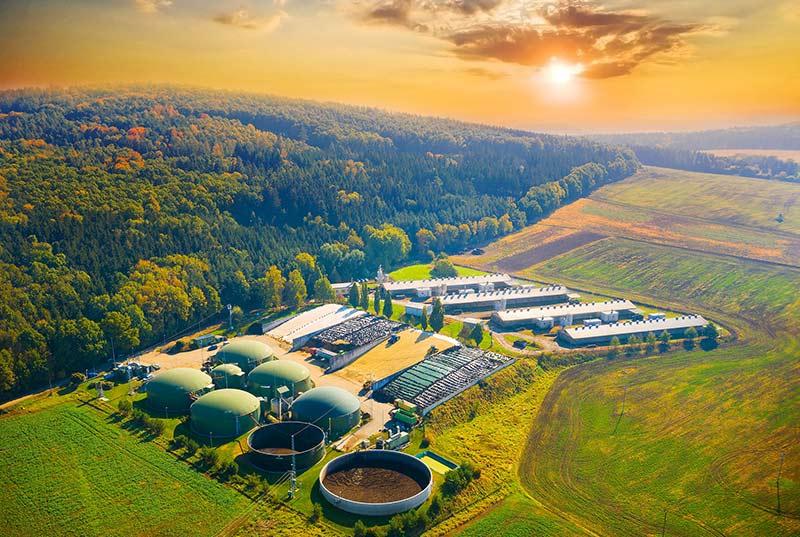
Renewable energy production is important and growing worldwide for several reasons like climate change, energy security, economic benefits or waste reduction. It offers long-term cost reductions for manufacturers and consumers alike.

As part of the renewable energy mix, the contribution of modern bioenergy to the final energy demand is about five times higher than wind and solar combined across all sectors. Bioenergy is produced from organic material or biomass, for example wood, agricultural waste, or food waste through combustion, gasification, or anaerobic digestion. As a near zero-emission fuel, bioenergy is currently the largest source of renewable energy globally, accounting for 55% of renewable energy and over 6% of global energy supply.
With this general understanding of bioenergy and its importance in the renewable energy sector, let's take a closer look at how adhesive tapes are used and how they can support in improving bioenergy production.
Adhesive tapes may not be the first thing that comes to mind when thinking about bioenergy production, but they can actually have a significant impact on the efficiency and cost-effectiveness of biomass power systems.
In fact, adhesive tapes are used in several applications specific to biomass power, such as insulation, emission control and fuel handling.
- Insulation: Adhesive tapes are used to insulate and protect critical components in biomass power systems, such as pipes, valves, and tanks. This ensures that the system maintains the proper temperature and pressure, which is essential for efficient and safe operation.
- Emissions control: Adhesive tapes are used to seal joints and connections in biomass power systems to prevent air leaks. This helps to ensure that emissions are properly controlled and that the system meets environmental regulations.
- Biomass handling: Adhesive tapes are used to secure and protect biomass handling components, such as conveyor belts and chutes. This helps to ensure that the mass is properly handled and transported, which is essential for an efficient operation system.
As the applications for special foams and tapes are so different, there is no one-tape-fits-all solution. For the protection of sensitive components or to increase the lifetime of parts, tapes that withstand high temperatures and harsh environments are essential. Materials like PTFE, polyimide film tape or fiberglass tapes offer highly durable and resistant to abrasion and moisture as well as excellent thermal stability and resistance to chemicals and solvents. Ultimately, the choice of adhesive tape material and the combination with acrylic, rubber or silicone adhesive will depend on the specific application and environmental conditions in which it will be used.
That is also true for sealing applications. There are different kinds of foam tapes specifically designed for various application needs. Air- and watertight sealing solutions reliably prevent leakages, contamination, unwanted emission flow and help to maintain the efficiency of the system.
Foams and tapes provide significant advantages over mechanical fasteners or other sealing methods by allowing reduced installation time and maintenance costs.
We have seen that there are three main applications in bioenergy production — insulation, emissions control, biomass handling — where tapes can help improve performance and efficiency. As complex and different as the individual methods, systems and technologies are, so are their requirements for modern adhesive tapes. Therefore, it is essential to discuss the exact application needs with your tape expert to design and run the best bioenergy production to make the world a better home.