
Unleash the Full Potential of Hydrogen Power with Skived PTFE Films
The world's hunger for energy has been massively increasing for decades and a trend reversal is not in sight. But what is in sight is the switch to more renewable and local energy production. Especially wind, hydro and solar power are currently in focus. One of the biggest challenges such renewable energy sources are facing is to transport and store energy for making it available where and when it is needed.
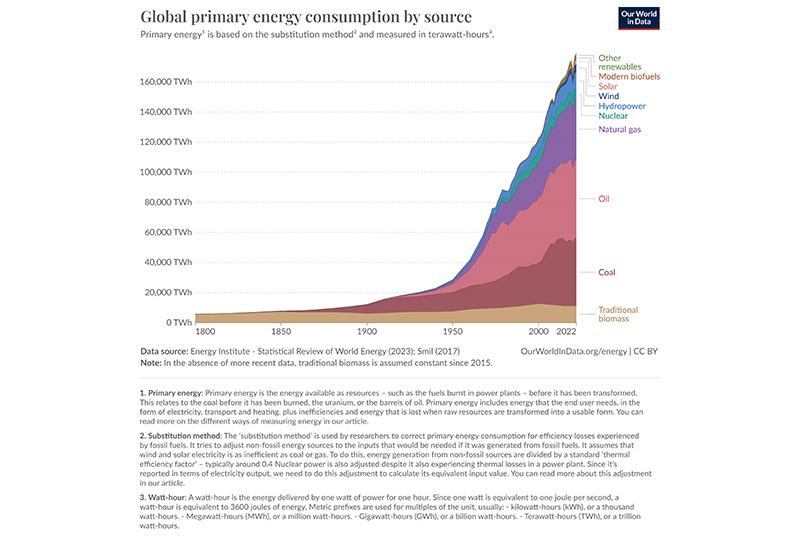
Source: https://ourworldindata.org/energy-production-consumption.
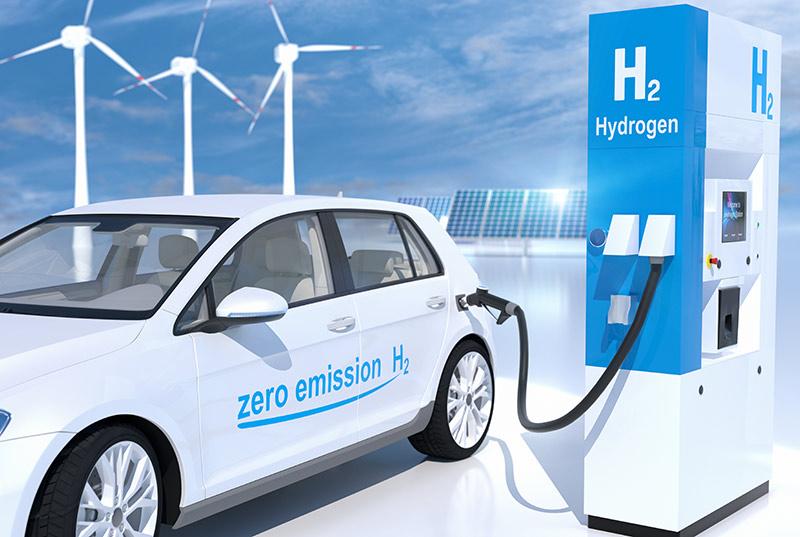
Hydrogen could become a key technology but there are a few challenges to solve before its breakthrough in supplying the world with clean energy. In this article, let us look at the role of hydrogen, current challenges and how skived PTFE films can help overcome various hurdles in hydrogen power supply today and in the future.
Hydrogen is the lightest and a very abundant element on earth with the H2 formula at standard conditions like in gas. The gas is a highly flammable clean-burning fuel, emitting only water vapor when burned. This makes it very interesting for decarbonizing energy supply, but hydrogen is — like electric energy — not a primary but a secondary energy source.
To generate H2, several technologies like Steam Methane Reforming (SMR), Electrolysis, Coal or Biomass Gasification, as well as thermochemical water splitting with nuclear power are mainly used today. What all these methods have in common is that energy must be used to produce hydrogen and they have a negative energy balance.
Through renewable energy as a primary energy source, the goal is to create so called green hydrogen. Even though its energy balance is negative, producing hydrogen provides several valuable properties that make it a promising energy carrier that can help reduce greenhouse gas emissions.
H2 has the potential to be stored and transported easily in gas tanks, as a liquid or as a solid in metal hydrides, making it a good candidate for energy storage solutions to bridge phases of low energy production or to make energy available quickly and easily elsewhere than its production.
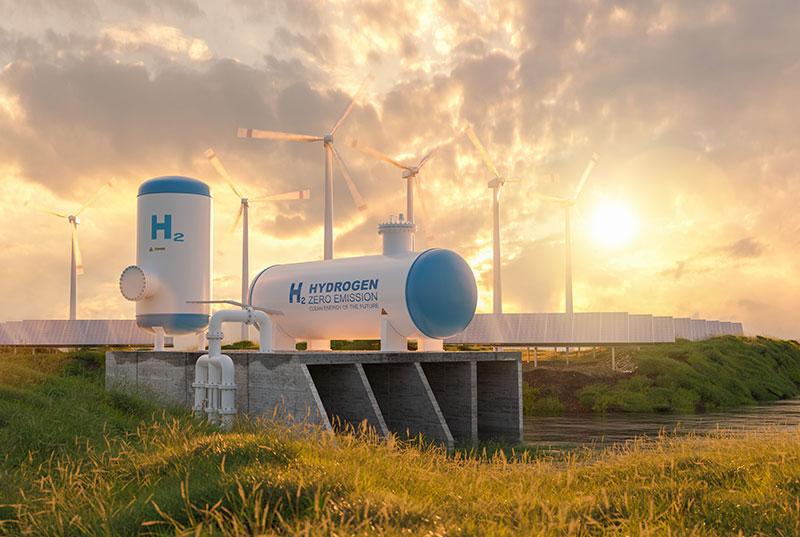
Hydrogen power has the potential to become an important renewable energy source and one of the leading sources in the coming decades because of several advantages over traditional fossil fuels mentioned earlier.
If produced from renewable sources such as wind, solar, and hydroelectric power with a low environmental impact, its versatility and potential use in a wide range of applications from powering fuel cell vehicles to providing electricity and heat for buildings or as an energy source for industry are the basis for high hopes in H2 currently. Finally, producing green hydrogen can also have economic benefits, such as creating new industries, generating jobs, and reducing dependence on fossil fuels.
But there are also challenges hydrogen power supply is facing today. Even though great progress has been made over the past years and many engineers worldwide are working on making H2 power supply more efficient, hydrogen production is still cost and energy intense.
Storing hydrogen under high pressure to achieve sufficient energy density for long-distance transport, along with high end materials, means engineering design must be practical whilst focused on risk management and energy losses. Another cost driver is the low volumetric energy density compared to traditional fuels which requires larger tanks. In combination with the risk of fire and explosion, careful handling, management and no room for part failure, hydrogen can pose logistical challenges.
The good news is that skived PTFE films can help overcome many technical challenges and can help unleash the full potential of hydrogen power through its use in electrolyzers and fuel cells.
Skived PTFE films are extremely durable and have high-protection properties to withstand extreme temperatures, chemicals and radiation. This makes them ideal for applications in harsh environments and in demanding applications where non-stick properties and extreme resistance are needed.
Skived films offer several advantages over other materials due to their high levels of purity, which is critical for hydrogen production applications. They minimize the risk of impurities in the storage material that could reduce storage capacity and avoid the risk of contamination. Through their precise thickness control, high purity, and excellent mechanical properties, skived films help reduce defects and improve durability.
In fuel cells, skived films are used in gas diffusion layers as gaskets and sub-gaskets for thermal management and electrical insulation to improve the performance and efficiency and lifespan of fuel cells.
Compared to the many advantages, benefits over other materials and added value, skived films are an attractive option for hydrogen production applications as they pay off many times in reducing overall costs which is considered as one of the major barriers to the widespread adoption of hydrogen power supply systems.
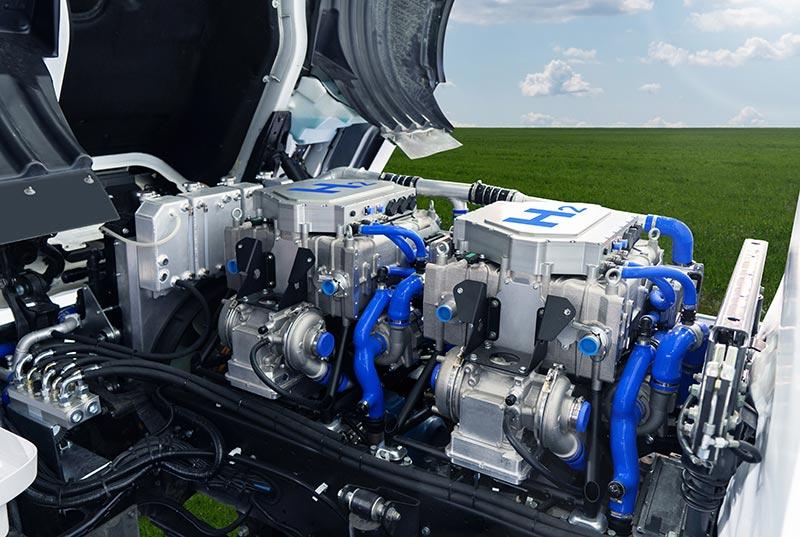
Sometimes small parts can make big differences and on our way to feed the growing energy hunger of the world with more renewable energy, hydrogen power supply can benefit greatly from such small, ultra-thin yet extremely resistant materials that can become hidden champions in future energy supply. We just scratched the surface of this topic but as the surface of skived PTFE films is extremely hard to scratch, reach out to your local tape expert today and ignite the hydrogen boost.