
Breaking Free from Mica in Car Battery Insulation
According to the International Energy Agency IEA, more than 60% of vehicles sold globally will be electric by 2030. This notable change in mobility underlines the importance of EV (electric vehicle) batteries for sustainable transportation. New materials that make EV batteries safer while increasing their performance are being developed. Currently, there is growing interest in using mica materials in EV batteries due to its specific material features.
But all that glitters is not gold. Let us explore the material properties, benefits and challenges of this mineral and how mica-free alternatives can boost battery pack performance.
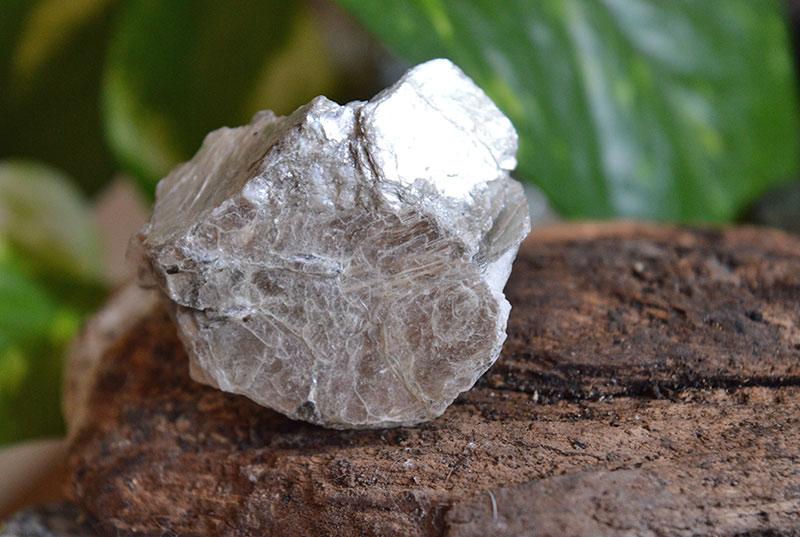
Designing next-level EV batteries often faces the challenge of fulfilling the wish for higher range and performance, shortened charging time and maximum passenger protection. To constantly push the limits, new materials like mica are used for car battery insulation due to their specific properties.
But what makes mica special?
Mica is a mineral with a lot of potential for improving EV battery performance and insulation, but it also poses challenges that need to be addressed. Even as thin sheets, the list of key advantages is endless. Mica materials provide thermal stability, chemical inertness and resilience combined with flexibility and excellent stability when exposed to electricity, light, moisture and extreme temperatures.
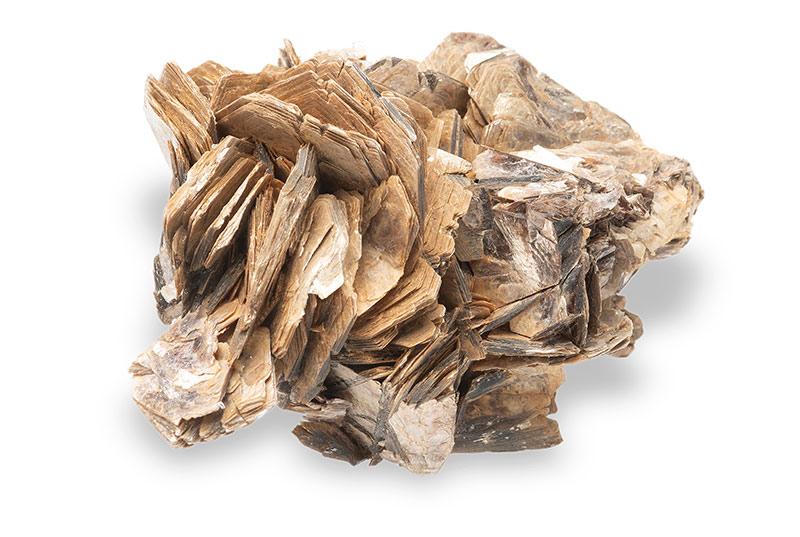
There are two main types of mica used in EV batteries: muscovite and phlogopite. Muscovite mica is known for its high dielectric strength, while phlogopite mica has superior thermal stability and chemical resistance.
Combined with other materials like in Saint-Gobain® Norseal® TRP600 Series compression pads, which help manage cell swelling and reinforce safety, the superior electrical and heat dissipation properties of mica help enhance thermal management and increase the energy density of EV battery packs.
In general, mica can be the right choice for electro-mechanical, automotive, electrical and electronic applications, working as an insulator with strong dielectric properties and good thermal resistance.
Although mica shines so beautifully, it should not be seen as a knight in shining armor that solves all problems. Technically, mica materials tend to degrade over time. However, the biggest challenge today is its sourcing. Its natural abundance and cost effectiveness could be seen as advantages but the conditions under which it is mined and further processed can be problematic.
Proper handling and processing, safety and health regulations as well as improved control can help to improve the situation but this takes time and implementation is fraught with uncertainties. Saint-Gobain Tape Solutions is intensely developing high-end materials with outstanding material properties for EV car battery insulation without mica. Let us take a deeper look at the status and how mica-free materials can help make battery-electric transport better and safer.
Yes, there are still requirements in designing EV battery packs that are tough to meet without the use of mica materials. The good news is that, for many applications, mica-free alternatives already exist, and more are in the pipeline for development.
Saint-Gobain Norseal TRP5000 and TRP-TT are mica-free composite materials with tunable mechanical cushioning, high dielectric strength and high temperature resistance. These materials contribute to passenger and vehicle safety in the event of a fire caused by thermal runaway. These venting and busbar protection materials keep busbars and other pack circuitry materials operational during safety events by shielding the busbar from gasses and matter ejected by cells going into thermal runaway mode. They reliably help protect the cells adjacent to the cell going into thermal runaway.
At Saint-Gobain Tape Solutions, we go beyond developing mica-free alternatives that meet the tough requirements for high-performance batteries and provide maximum safety and power density.
Combining these innovative materials with solvent-free acrylic adhesives is another step in how we are working hard with our R&D departments to make electric mobility break free. Free from mica, free from solvents and free from performance or safety limits at the same time. True, we are not 100% there but we are convinced that this is the right road to follow.
The world of mobility is changing rapidly and materials like mica offer unique properties in electric vehicle batteries. But as they also have their downsides, mica-free alternatives are on their way. Connect with our tape experts and discover how research and development for mica- and solvent-free materials can unlock the full potential of future transportation. Take your chance to learn from our experts more about the importance of innovation and collaboration in shaping the future of EV batteries and battery-electric transportation.